Beat Sciatica Pain with Help from Collingwood Chiropractors

Sciatica pain can be frustrating, uncomfortable, and disruptive to your daily routine. Whether it’s a dull ache in your lower back or sharp, shooting pain running down your leg, sciatica can make simple activities like sitting, walking, or sleeping difficult. Fortunately, chiropractic care offers a natural and effective way to manage and relieve this condition. If you’re struggling with nerve-related discomfort, seeking help from experienced Collingwood chiropractors could be the solution you need to regain mobility and improve your quality of life.
What Is Sciatica?
Sciatica is not a condition itself but rather a symptom of an underlying issue affecting the sciatic nerve, which is the longest nerve in the body. It runs from your lower back through your hips and buttocks and down each leg. When this nerve becomes compressed or irritated, it can cause pain, numbness, tingling, or weakness along its path.
Common causes of sciatica include:
Herniated or bulging discs
Spinal misalignment
Degenerative disc disease
Muscle tension in the lower back or hips
Poor posture or prolonged sitting
Injury or trauma
Without proper treatment, sciatica symptoms can worsen over time, making early intervention important.
How Chiropractic Care Helps Sciatica
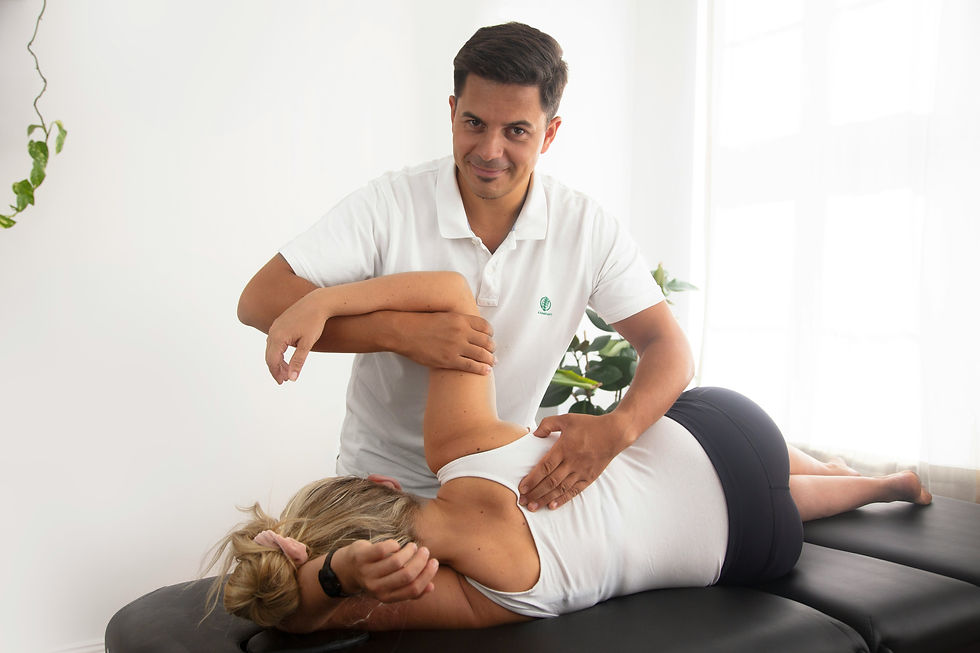
Chiropractic care focuses on addressing the root cause of sciatica rather than just masking the symptoms. Chiropractors use non-invasive techniques to realign the spine, reduce nerve pressure, and promote natural healing. This approach avoids reliance on medications and surgery, making it a preferred option for many people seeking long-term relief.
Here are some ways chiropractors help manage sciatica:
1. Spinal AdjustmentsSpinal misalignment is a common contributor to sciatic nerve compression. Chiropractors perform gentle adjustments to restore proper alignment, which helps relieve pressure on the nerve and reduce inflammation.
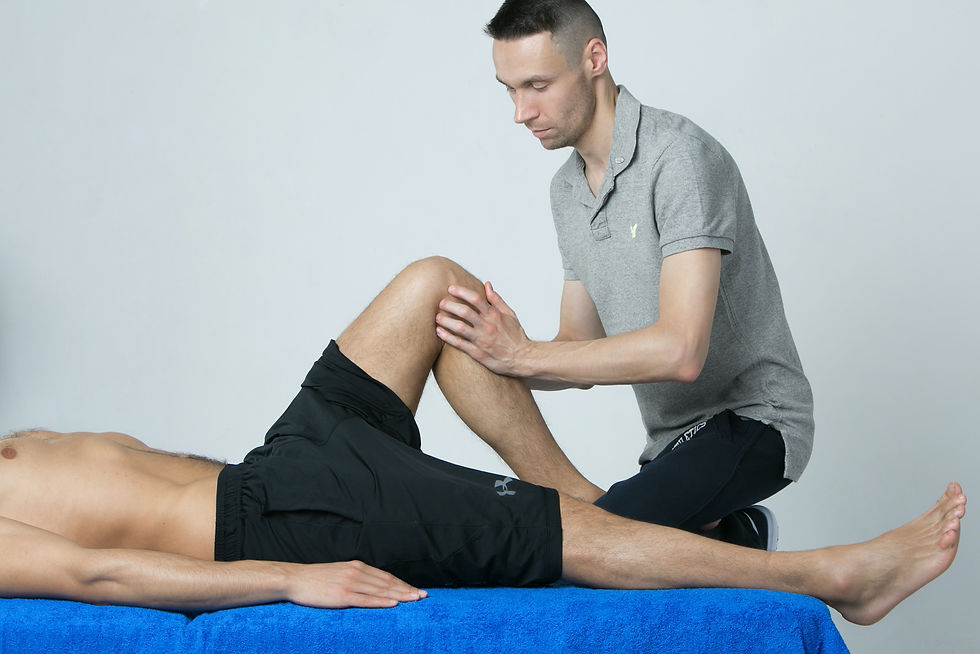
2. Soft Tissue TherapyTight muscles in the lower back, hips, and glutes can aggravate sciatica symptoms. Chiropractors use targeted soft tissue techniques to release tension, improve circulation, and support healing.
3. Posture CorrectionPoor posture—especially from sitting for long hours—can strain the lower spine. Chiropractors assess your posture and recommend ergonomic improvements to prevent further irritation.
4. Stretching and Strengthening ExercisesPersonalized exercise programs help strengthen core muscles, improve flexibility, and support spinal stability. These exercises are essential for preventing recurring sciatica pain.
5. Lifestyle AdviceChiropractors provide guidance on daily habits, sleeping positions, lifting techniques, and workplace ergonomics to minimize strain on your back.
Benefits of Choosing Chiropractic Care for Sciatica
Seeking chiropractic care for sciatica offers several advantages:
Drug-free and non-invasive treatment
Targets the root cause of pain
Improves mobility and flexibility
Reduces inflammation naturally
Prevents recurring episodes
Enhances overall spinal health
Many patients experience gradual but lasting improvement after a series of treatments. Consistency is key to achieving optimal results.
What to Expect During Your Visit
Your first chiropractic appointment typically begins with a detailed consultation. The chiropractor will ask about your symptoms, medical history, and lifestyle. A physical examination may include posture analysis, range of motion testing, and neurological assessment. In some cases, imaging such as X-rays may be recommended to better understand the underlying issue.
After diagnosing the cause of your sciatica, the chiropractor will create a customized treatment plan tailored to your needs. This plan may include spinal adjustments, therapeutic exercises, and ongoing care to support recovery.
Tips to Manage Sciatica at Home
While chiropractic care plays a significant role in recovery, you can also take steps at home to reduce discomfort:
Apply ice packs during the first 48 hours to reduce inflammation
Use heat therapy to relax tight muscles afterward
Avoid prolonged sitting; take frequent breaks
Maintain proper posture when working
Sleep on a supportive mattress
Practice gentle stretching exercises
Combining professional treatment with these self-care strategies can speed up recovery.
When to Seek Professional Help
You should consider seeing a chiropractor if:
Pain lasts more than a few days
Discomfort radiates down your leg
You experience numbness or tingling
Movement becomes limited
Pain worsens with sitting or standing
Early treatment can prevent chronic pain and long-term complications.
Regain Comfort and Mobility
Living with sciatica doesn’t have to be your new normal. With the right chiropractic care, you can reduce pain, restore function, and get back to your daily activities without discomfort. Collingwood chiropractors use safe, effective techniques designed to support your body’s natural healing process.
If you’re ready to beat sciatica pain, consider scheduling a consultation and taking the first step toward improved spinal health. With proper care, guidance, and commitment, you can enjoy better mobility, less pain, and a healthier lifestyle.


Comments