The Role of Soil Testing for Construction in Effective Site Planning

Successful construction projects don’t really start when the first foundation is poured, it is more like, they start way before that… with planning, paperwork, the quiet stuff, you know. One of the most important parts is figuring out what the soil is like, the condition, the sort of characteristics that might affect the whole build. Soil Testing for Construction gives critical clues so engineers, architects, and project managers can make choices that are a bit more grounded, and safer. Without doing proper analysis, you can end up with expensive delays, odd structural problems, and risks nobody predicted early.
In this article we look at why Soil Testing for Construction matters so much, and how it supports site planning and overall project execution.
Understanding the Importance of Site Planning
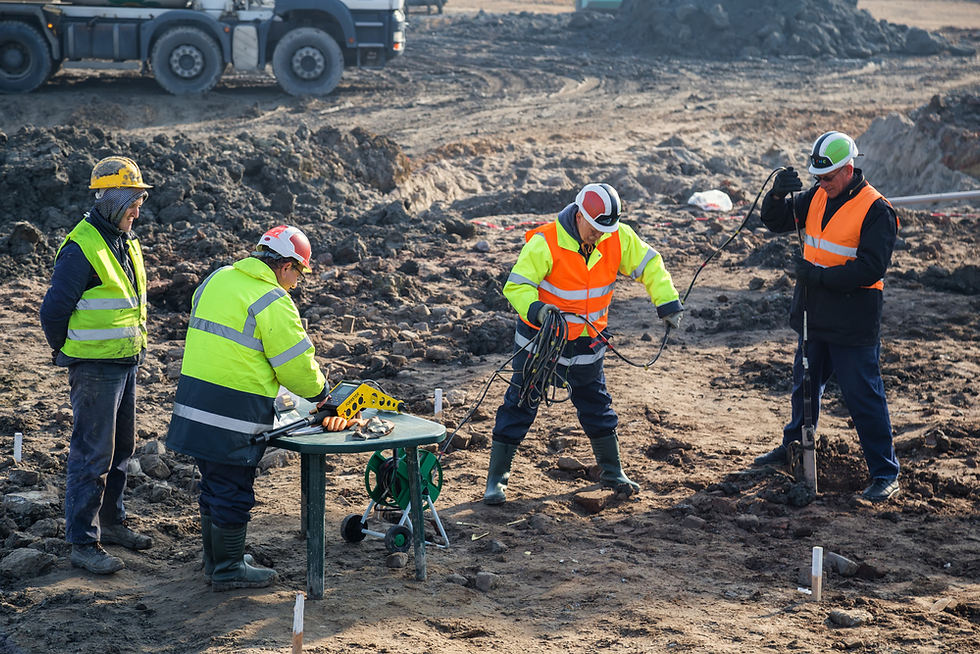
Site planning is basically checking and preparing land for construction. It includes lots of things like topography, drainage patterns, environmental conditions, access routes, and yes, soil quality. When site planning is done well, the project ends up safer and also more economically viable.
And honestly, out of all factors, soil conditions are a big deal. The strength stability, and even the mix of the soil influence how foundations perform and how supporting structures behave. That’s why construction teams lean on detailed soil investigations, before they lock in any project design.
Why Soil Testing for Construction Is Essential Before Development
Before development gets going, people building need to know if the ground can handle the intended structure. Soil Testing for Construction helps reveal physical and chemical properties of the soil, so engineers can judge whether it is suitable for building.
Usually, the testing process includes things like:
• soil bearing capacity
• moisture content
• soil density
• compaction characteristics
• permeability
• presence of contaminants
• groundwater conditions
These results help engineers set up foundation designs that fit the site needs. If this info is missing, you increase the chance of settlement, cracking, or even structural failure down the road.
Key Benefits of Soil Analysis in Construction Projects
Doing soil tests before construction brings a bunch of advantages, the kind that help the project stay on track.
Improved Structural Stability
One main reason for soil testing is to make sure the ground can hold the weight of the planned structure without surprises. Different soil types have different load-bearing abilities. Testing makes it easier to choose a foundation type and depth that actually works. That helps long-term structural stability.
Reduced Construction Risks
Unexpected soil conditions can become a real headache during construction. Weak ground, too much moisture, or underground voids can cause delays and also add costs. When these things are found early, the team has time to apply corrective steps, before work gets messy.
Cost Optimization
Soil testing is an investment, but it can prevent money from bleeding out later. When engineers have accurate soil data, they can avoid making foundations too heavy or not heavy enough. That means safer designs, without unnecessary spending.
Enhanced Safety
Safety is always priority number one. Soil investigations can flag hazards like unstable ground, erosion risk, or high groundwater levels. Fixing these issues early lowers the risks for workers and also for later occupants.
How Soil Testing for Construction Supports Foundation Design

A foundation is the main piece of almost any structure, because it sends building loads down into the ground. What the soil is like matters a lot here.
Soil Testing for Construction provides engineers with the essential info to pick the right foundation system.
Depending on results, engineers might recommend:
• shallow foundations
• raft foundations
• pile foundations
• mat foundations
• deep foundation systems
Each option is meant for certain soil situations and load needs. If the foundation choice matches the soil, settlement is less likely and structural integrity is more likely to remain steady through the building life.
Common Soil Tests Used in Construction Projects
There are several common testing methods used to learn about site conditions before any construction starts.
Soil Bearing Capacity Test
This test helps find the maximum load soil can handle safely, without producing too much settlement. The results guide engineers in designing foundations that spread loads properly.
Moisture Content Test
Soil water content can change strength and stability a lot. Moisture testing helps show how the soil might act under different environmental conditions.
Compaction Test
Compaction testing checks soil density and how well it can support structural loads. Properly compacted soil gives a more stable base for construction work.
Permeability Test
This test is about how quickly water can pass through the soil. Knowing permeability is important for drainage planning and for managing groundwater.
Chemical Analysis
Chemical testing looks for substances that may impact soil behaviour, or cause corrosion to construction materials. That supports long-term durability.
Environmental Considerations and Site Sustainability
More and more construction work is focused on sustainability and environmental accountability. Soil analysis helps meet those goals, because it helps developers understand what the site environment is really like.
With the right testing, project teams can:
• minimize land disturbance
• prevent erosion problems
• protect groundwater resources
• improve stormwater management
• reduce environmental impact
When soil information is accurate, planners can create designs that work with natural conditions, not like they are constantly fighting them, which sounds good on paper, and usually works better too.
Challenges That Seem Can Be Dodged with Proper Testing
A lot of construction headaches can get traced to not doing enough site investigation. And yes, some problems just keep popping up when soil testing is skipped or done kind of halfway. For example, the more common things you can usually prevent with proper soil testing, include:
Foundation Settlement
Uneven settlement happens when the soil just can’t properly support the structural loads. After that, cracks can show up, doors start misaligning, and the structure itself can end up with real damage.
Poor Drainage
Bad drainage design often comes from not understanding soil permeability well enough. When water collects instead of moving away, it may weaken foundations and it can also damage building parts, over time, in a slow but annoying way.
Soil Expansion and Shrinkage
Some soils do the whole expand when wet and shrink when dry thing. That sort of volume change can stress foundations and structural elements, even if the building “looks fine” at first.
Construction Delays
Sometimes during construction, they uncover unexpected subsurface conditions and then everything freezes. Progress slows down, costs rise, and the schedule gets pushed back. Early testing helps reduce the odds of those surprises.
Choosing a Reliable Soil Investigation Process
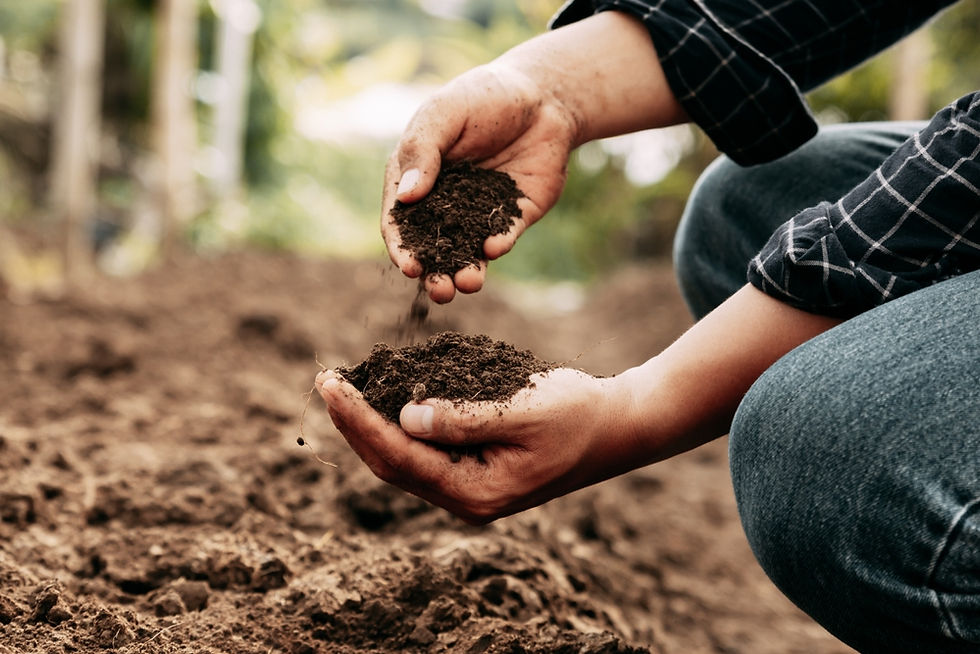
For accurate outcomes, soil testing should be handled by qualified geotechnical professionals. Usually, this investigation process involves site inspections, borehole drilling, sample collection, lab testing, and then detailed reporting.
A full soil report typically includes:
• Soil classification data
• Bearing capacity recommendations
• Groundwater observations
• Foundation design guidance
• Earthwork recommendations
• Risk assessments
Taken together, these points give a solid base for better decision-making across the entire project timeline, from start to handover.
The Future of Soil Testing for Construction in Modern Development
As construction technology keeps changing, the role of Soil Testing for Construction is becoming even more important. Newer testing approaches, digital modelling tools, and geotechnical analysis software are now providing more precise and richer insight than before.
Today’s projects are expected to meet higher standards for safety, efficiency, and sustainability. So, when soil testing is built into early planning, developers can fine tune designs, lower risks, and generally get better results.
Whether you are building homes, commercial complexes, industrial facilities, or infrastructure systems, knowing what the ground is really like stays a key part of achieving long-term success.
Conclusion
Good site planning just isn’t possible without getting a grip on what’s actually going on underground. Soil Testing for Construction, kind of acts like that critical step engineers and developers need, so they can see how the soil behaves, notice potential risks early, and then plan structures that end up being safer, and also more durable overall. Things like picking the right foundation, keeping costs under control, environmental protection, and risk management, they all get tied back to soil testing, and really it ends up influencing almost every part of a construction project.
Also, when stakeholders choose to do a proper soil investigation before development even begins, it becomes much easier to make informed decisions. you can avoid costly mistakes, and you help the long-term stability plus performance of the buildings. And as the construction industry keeps moving forward, Soil Testing for Construction will stay a key piece in successful, sustainable site planning.


Comments